
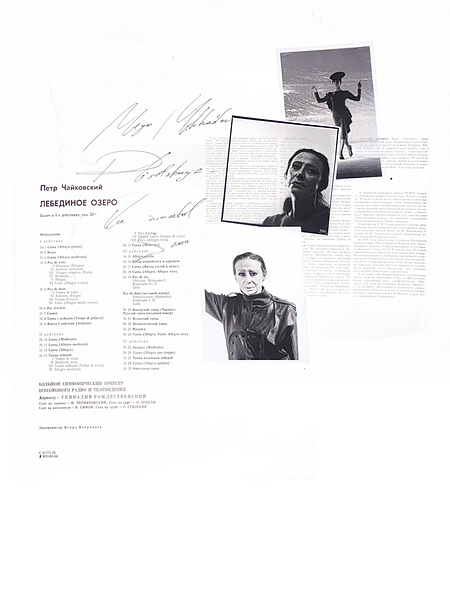
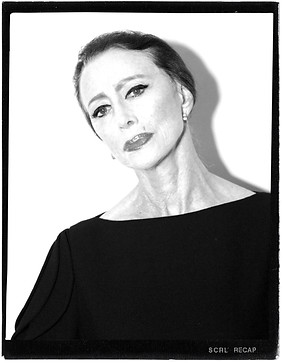
There are ballerinas.
And then there is Maya Plisetskaya.
Which feels like an entirely different category of existence.
Calling her simply “one of the greatest ballerinas of all time” somehow feels insufficient.
Too small.
Too polite.
Because Maya Plisetskaya did not simply dance ballet.
She altered the emotional architecture of it.
And perhaps more importantly —
she refused to become smaller for the world around her.
Something women are asked to do with deeply concerning consistency.
To understand Plisetskaya, one must first understand this:
she was not supposed to become who she became.
Not politically.
Not personally.
Not structurally.
Born in Soviet Russia in 1925, her life was shaped early by political violence.
Her father was executed during Stalin’s purges.
Her mother was arrested and sent to a labor camp.
Maya herself grew up under the psychological atmosphere of surveillance, suspicion and fear.
And yet —
she danced.
As though movement itself had become resistance.
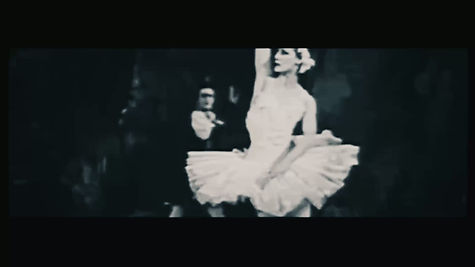
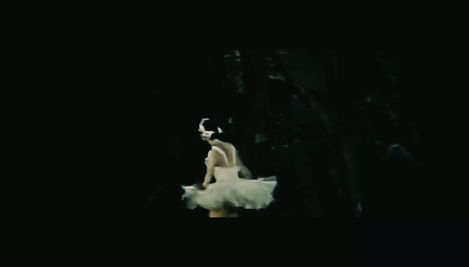
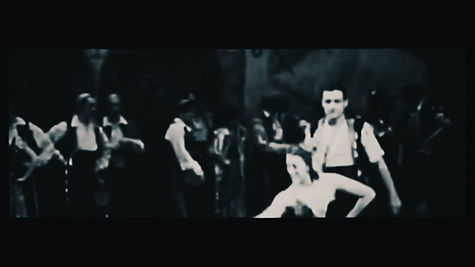
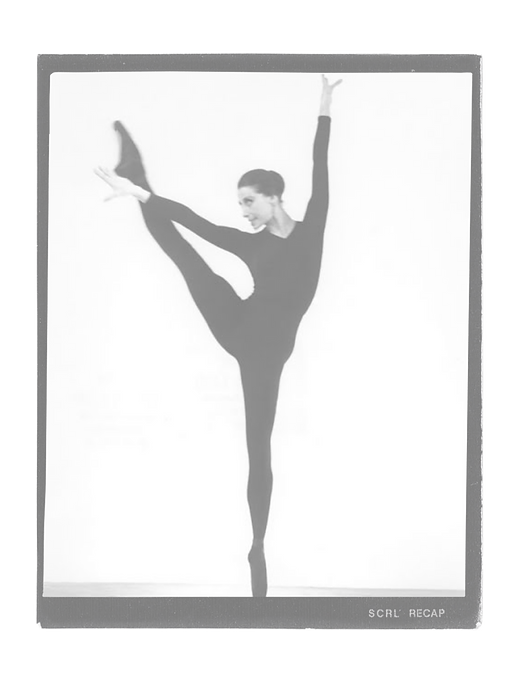
Her dancing was unlike anything ballet had previously witnessed.
And this is not dramatic exaggeration.
People genuinely did not know what to do with her.
Ballet, historically speaking, often demanded precision through restraint.
Controlled softness.
Delicacy.
Certain expectations of femininity.
Maya arrived and quietly disrupted all of it.
Her movements felt larger.
Sharper.
Almost psychologically charged.
There was emotion —
but not sentimentality.
Power —
without sacrificing elegance.
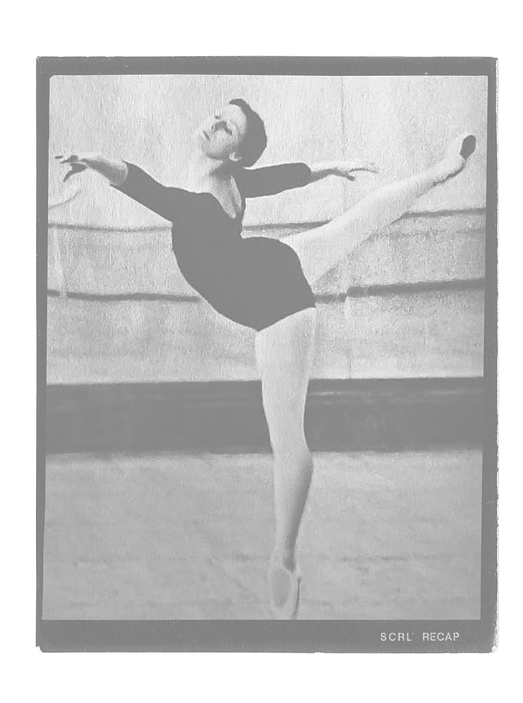
And then there were the arms.
The impossible arms.
Fluid.
Birdlike.
Almost unnatural in their expressive capacity.
Particularly in The Dying Swan — the role that became inseparable from her identity.
People speak about Plisetskaya’s Swan as if it belonged to mythology rather than ballet.
Because perhaps it did.
It was not simply performance.
It felt instinctive.
Animalistic.
A body somehow speaking a language ordinary movement could not.
And to this day, countless ballerinas attempt to recreate it.
Attempt being the important word here.
Because there are certain things in art that refuse replication.
Maya Plisetskaya happened to be one of them.
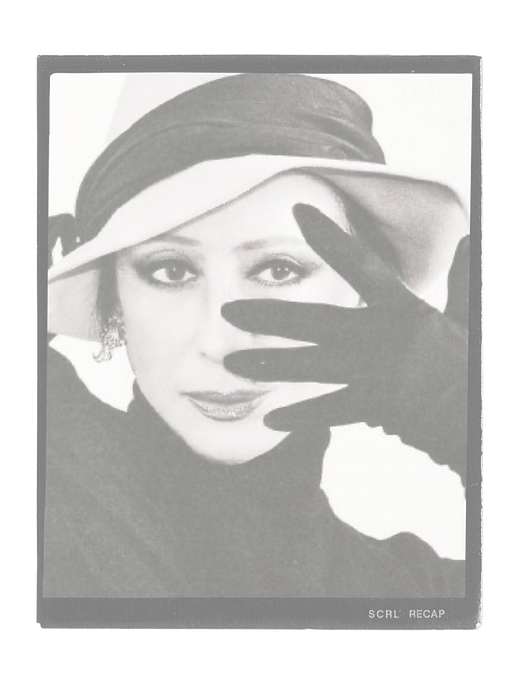
Yet talent did not protect her.
Talent rarely protects women actually.
Especially intelligent women.
Opinionated women.
Women unwilling to remain silent.
Because despite becoming one of the Soviet Union’s most celebrated ballerinas, Maya was treated with extraordinary suspicion for decades.
She was denied international travel opportunities for years.
Watched constantly.
Punished politically.
Distrusted.
The Soviet government questioned her loyalty repeatedly due to her family history and independent thinking.
She openly criticized authoritarianism and later became vocal about political realities many preferred to ignore.
History, inconveniently enough, turned out to support many of her concerns.
Which tends to happen when uncomfortable people are telling the truth too early.
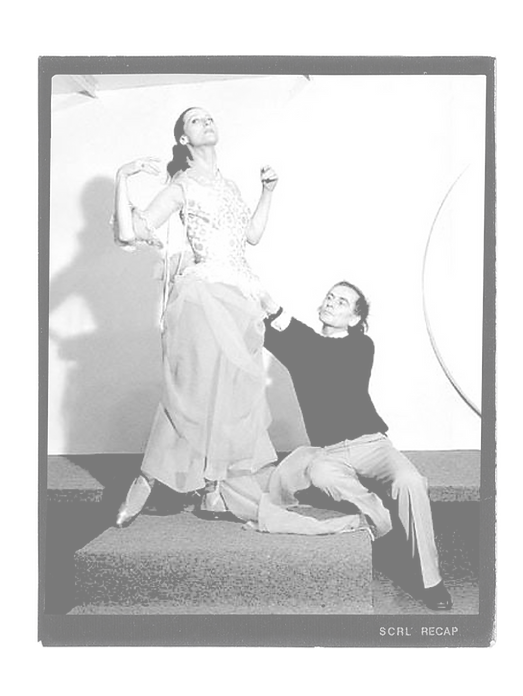
And perhaps one of the most beautiful things about Maya —
something surprisingly rare among legendary artists —
was her generosity toward younger generations.
Because genius can become territorial.
Success often creates insecurity.
Especially in industries obsessed with replacement.
Yet Plisetskaya remained deeply supportive of younger dancers.
Encouraging.
Curious.
Open.
Not threatened by youth.
Which honestly feels revolutionary.
She understood something important:
art survives through continuation.
Not possession.
And there is something deeply elegant about a woman secure enough in her brilliance to make space for others.
And then there was her presence.
Because something about Maya Plisetskaya captivated people.
Not only audiences.
Everyone.
Designers.
Artists.
Photographers.
Creative directors before the term even properly existed.
There was something impossibly magnetic about her.
The sharpness.
The intelligence.
The certainty.
The kind of woman who enters a room already fully aware of herself.
And strangely enough —
the room becomes aware too.
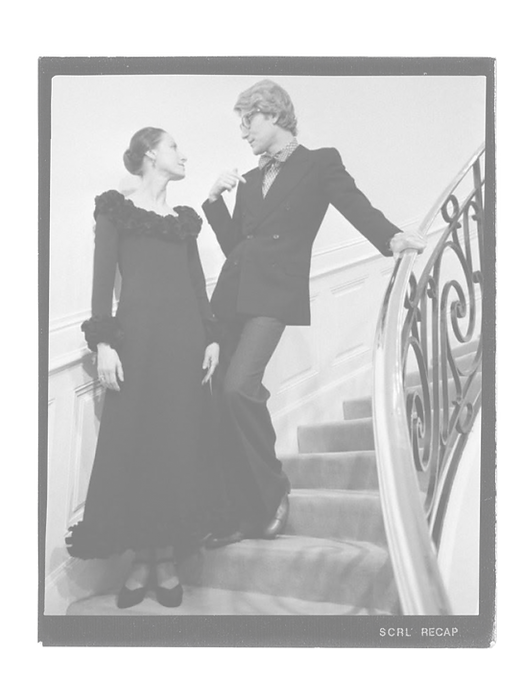
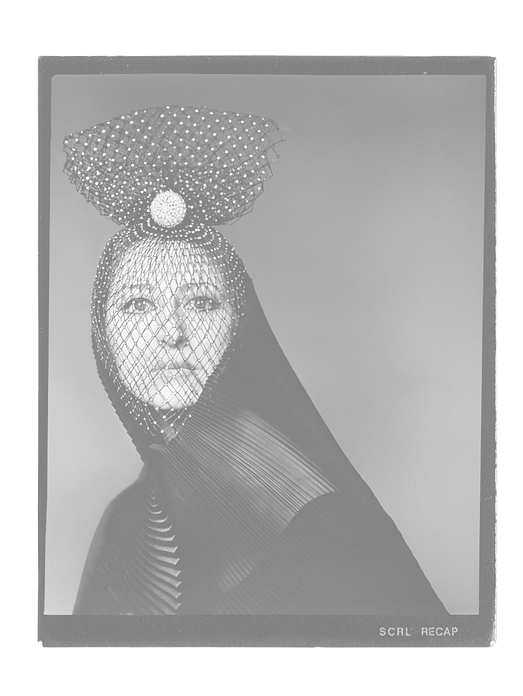
Plisetskaya became a muse to some of fashion’s most significant designers.
Yves Saint Laurent designed custom pieces for her, understanding perhaps that ordinary stage costumes simply did not feel sufficient for a woman carrying that level of presence.
Meanwhile Pierre Cardin created ballet costumes for her for decades, fascinated by her movement, theatricality and extraordinary physical language.
Fashion recognized something important in Maya:
she was not simply beautiful.
She was particular.
And particular women tend to remain unforgettable.
There was precision to her.
An aesthetic certainty.
She knew who she was.
Or at the very least —
she moved through the world as though uncertainty had never particularly interested her.
Which, quite frankly, feels aspirational.
Because Maya Plisetskaya never seemed to ask permission to occupy space.
She simply did.
Elegantly.
Powerfully.
Completely.
Then there is the part people perhaps admire most —
Maya never really stopped dancing.
Not psychologically at least.
She continued performing far beyond what the ballet world considered conventional.
An industry obsessed with youth watched a woman refuse disappearance.
At seventy.
Eighty.
Still moving.
Still rehearsing.
Still approaching dance not as profession —
but identity.
Because for some people, art is not a career.
It becomes anatomy.
A way of existing.
A way of surviving yourself.
And Maya Plisetskaya danced until the very end because stopping perhaps never made emotional sense to her.
What makes Maya inspiring is not only genius.
Genius is impressive.
But resilience?
Resilience while remaining brilliant, sharp, political, generous and fully yourself?
That becomes something rarer.
Maya Plisetskaya reminds us that discipline can coexist with rebellion.
That femininity does not require fragility.
That elegance can still be powerful.
And perhaps most importantly —
that becoming unforgettable often requires refusing to become convenient.